Why We Built This Archive, And What We Hope It Becomes

Sep 17
4 min read
Updated: Sep 29

Peter Vickers spent 42 years with Vickers Oils. As he began stepping back toward retirement in spring of 2025, it became clear that there was an opportunity to spend time in the archive .
Additionally, that instinct met a deadline. Vickers Oils is approaching its 200th anniversary in 2028. This story needed telling again.
It isn't the first attempt. At the 125-year anniversary "This Family Business" was written by Randall Vickers. And at the 150-year mark, “Spin A Good Yarn”, the story of William Farrar Vickers, was written by Ginny Vickers. And at other moments along the way, family members and people in the business have told bits and pieces of the story of the family and the business. This archive is the contemporary version of that, built in a few distinct layers.
First, digitising the collection so nothing gets lost. Then, bringing in a professional archivist to make sense of two hundred years of material. And now, figuring out how to actually tell the story and giving it a narrative.
We hope that the result will be more than a family or business record, but a resource for researchers, historians, former employees, descendants, and anyone in the wider Leeds community who wants to dig into it.
Digitising, first
The starting point was practical. Vickers Oils came across Microform, a family-run business based in Wakefield, Yorkshire, that has been digitising archival material since 1956, back when it began as a microfilming service for academic institutions. It seemed like the right fit: a Yorkshire company with decades of experience handling exactly this kind of heritage material.
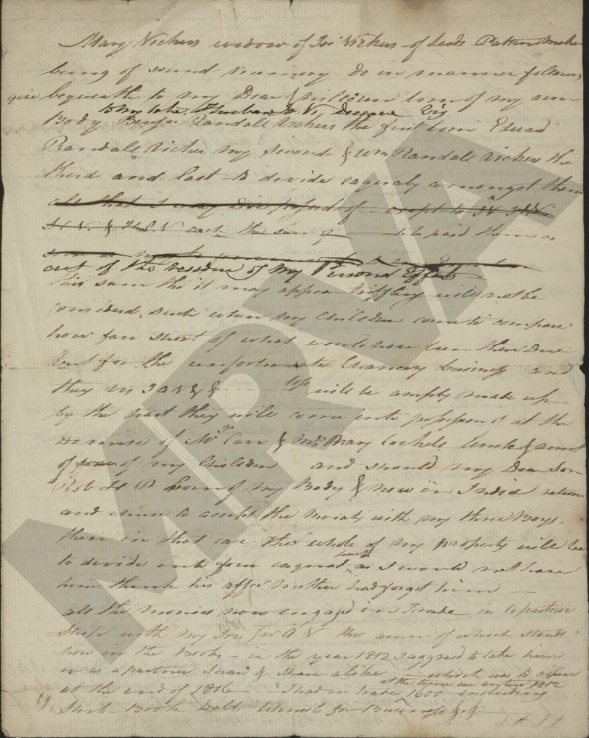
The first job was simple, in principle. Get everything secure: letters, ledgers, photographs, trade cards, etc. The aim was to get all of it scanned and stored so that nothing could be lost to time, damage, or go missing.
But seven generations of material adds up, and what started as a straightforward security exercise revealed just how much there actually was to work through. There was a surprising breadth to the material as well. This brought us to the decision to bring in an expert.
Bringing in an archivist
Making sense of what had been digitised was another matter entirely, and that's where Robert Curphey came in. Robert is the archive's lead archivist, with a background at places like the Thackray Museum of Medicine in Leeds and the Marylebone Cricket Club, institutions that know exactly what it takes to catalogue, conserve, and interpret a collection properly.
"I'd always wanted to work with company archives," he says. "I find aspects of them fascinating, particularly internal communications, photographs, branding and social activities. What struck me about this collection was that it has been incredibly well maintained, and that there are effectively two strands to it: the family and business records. I hadn't anticipated there would be recipe books, or books of mathematical exercises, which give the archive a much broader appeal. There is a passion and ambition for this archive, which is exciting to be part of."
Robert's job is to take everything Microform secured, and to catalogue and categorise the material. He is forming the essential building blocks that the archive will sit upon for years to come. New materials are added on a regular basis so in a way this work will always be in process.
Where the storytelling comes in
Alongside Robert's work, Peter is acting as the archive's historian. His job is to dig into the individual pieces and shape the context around it: what was happening in Leeds, in Britain, and in the world while this story was unfolding. His work requires research, visiting other archives, and utilizing his wealth of industry knowledge.
Alongside the essays and writings from Peter, I, Lilliana am working on ways to bring some of this material to life through film and media. It's a joy to engage with story in this way. The hope is to breathe new life into the material and also bring it to audiences who might not have come across it otherwise.
Why, in the end


Comments